


Do you remember as a kid it was super cool to cross the swimming pool underwater holding your breath? Guess what, it still is! And it's called freediving. In this blog I share about my first freedive class experience. Since, I've trained myself up to freedive instructor.
Why learn freediving?
Freediving is the most relaxed and liberating sport I've ever tried. No heavy equipment. No noise. Just you, basic gear, and a line into the blue. I'm hooked! Up to a few years ago, I hardly knew anything about this sport. I'd been scuba-diving, but that's a completely different game.
In Bali, I went on a fun trip with real freedivers to spot manta rays. The real freedivers could dance with the manta rays for minutes, or just chill on a rock underwater while I had to go up and down to breathe every minute or so. How cool is that? I wanted to be able to be such a dolphin. The good part, I am. We all are. Going far back we have aquatic roots. We all have it in us. It just takes practice, some knowledge and a deeper exploration of our mind and bodies.
Before the freedive course I managed to film this Manta-ray in Komodo National Park for a sweet 8 seconds ;)! Next encounter I will manage longer cause I went on a freedive course and I'm into practice!
My first freedive beginner course in Gili Air
What do you learn in a freedive course?
Super excited, my friend Nicole and I started a freedive beginner course to release the inner dolphin in us! I had no idea what I exactly was going to learn. Oli was the instructor. He runs Freedive Flow, now based in Gili Air, Indonesia. Now I understand where the school's name comes from. Freediving is all about relaxation of our body and mind. The more you have the two in a flow state, the better you perform. Panicking somewhere down at the bottom is not a good idea cause these thoughts suck energy. This costs oxygen and will give you less diving time. So freediving kind of forces you to relax. By just staying calm, chilled-out, and intensely in the moment, our body can do things I wouldn't have thought possible. Basically, you need to train your mind more than your body. Nice challenge, right? Of course there's way more to it. That's what I learned in the AIDA 2* freedive course over three days packed with theory, pool practice, and open water sessions.
The course structure, roughly: two theory sessions (physiology, safety, equalisation, breath-hold science), one pool session (static apnea and dynamic apnea, where most beginners realise they can do way more than they thought), and three open water sessions (equalising on descent, duck-dives, body positioning on the line, turns at depth, and buddy safety drills). To get certified at AIDA 2* you need to demonstrate a 2 minute breath-hold, swim 40 metres horizontally on one breath, and dive to 12 metres on the line. Sounds intimidating before you start. Feels surprisingly doable by day three.
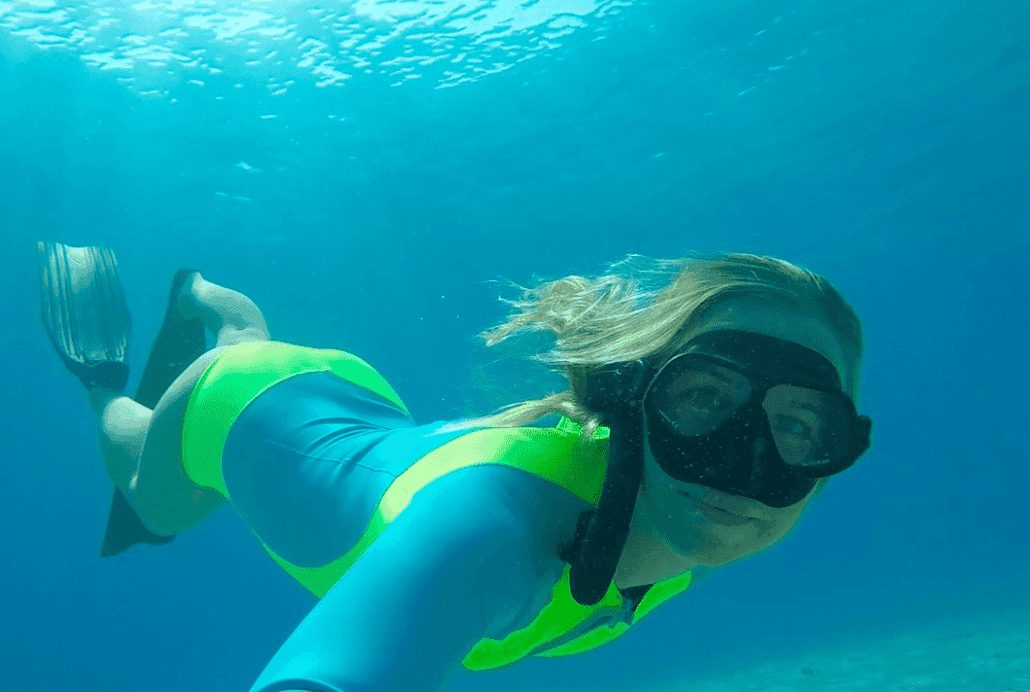
The power of a single breath
I'm quite chilled out by nature. But I never really realised how much you can improve your state of relaxation with breathing techniques. In the course, we practised relaxation, breathing and breath-holding. As Oli is also a yoga instructor he could teach a great deal about all this. How long? How deep? How far? Breathing is so much more than breathing. How often do you pay attention to it? In general we just do it automatically and unconsciously, roughly 25.000 times per day. But we have so much more capacity and energy to get out of a breath if we only consider it. I learned that the urge to breathe with freediving isn't because of lack of oxygen, it's because of rising CO2 in our bodies. Diaphragm contractions, this feeling of needing to breathe, are a warning sign, but still, leave us with more breath hold capacity than I ever imagined. After considering my breath a bit more I could hold it already for more than 3 minutes. At course day 1. So can you!
Like a mermaid
We learned about the basics and techniques of freediving, like finning techniques, body positioning, duck-diving, how to make a turn down the line with as little energy as possible. Super interesting stuff! If you have all these things right, you use so much less energy. Through video analysis, we could see where the movements could be streamlined to flow like a mermaid through the water. Little adaptations make you able to stay way longer underwater.
The inner dolphin in us
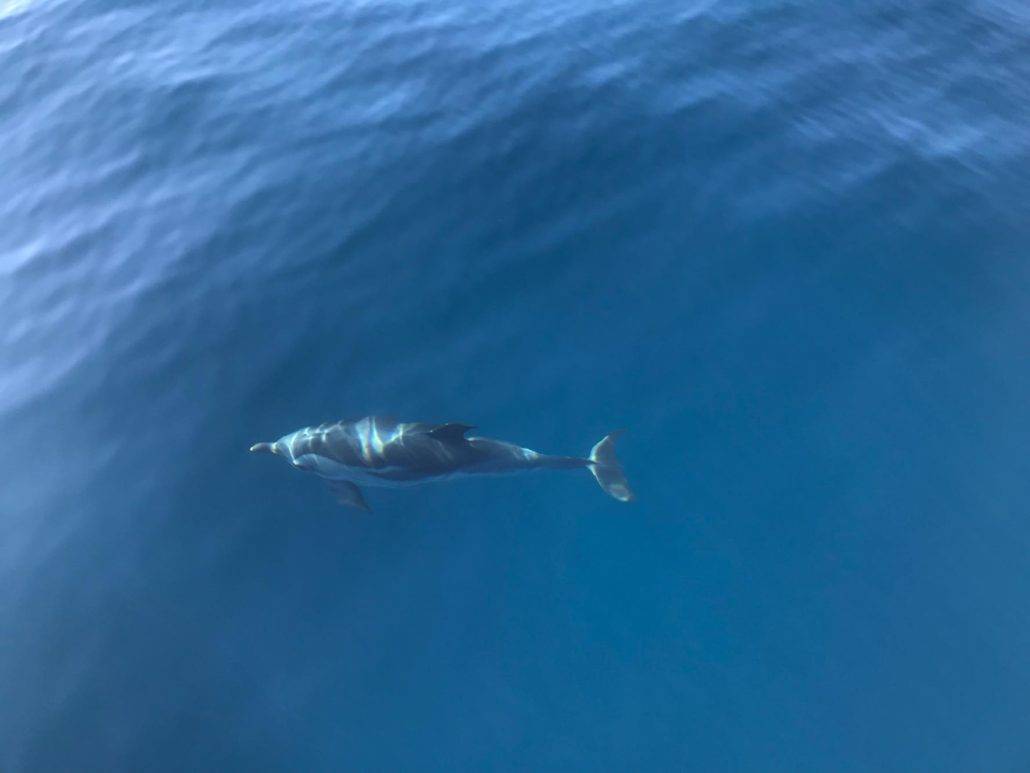
Did you know that when our face touches water, our heart rate immediately slows down and blood moves from the extremities to the brain, heart and vital organs of our body? Seals and dolphins have this reflex, but so do we! It's called the mammal dive reflex. Another thing I never realised. This water splashing in your face in the morning isn't just a quick wash. It really drives all energy to the vital organs in our body, making us wake up. Holding your breath on surface is, therefore, a completely different game than doing so underwater.
Is freediving dangerous?
Freediving surely has a risk element, but it's definitely not riskier than scuba-diving. Freediving is pure nature. In the AIDA 2* freedive course we learned a great deal about safety. What risks are involved? How to minimise them? How to recognise that something might be wrong, with yourself or your buddy? Now I know how to act in the event something happens. Safety is pa-ra-mount. As Oli taught me, the key is to progress slowly.
Last but not least, in the course, we got reminded about taking well care of the aquatic environment. It should be common sense but too often I see swimmers, snorkelers or (free)divers touching, chasing, removing or harassing other sea life! Don't.
Mermaid gear: what I use
For your first course you usually don't need to bring anything. Most schools include gear in the course fee. Once you know you're going to keep going, here's what I actually use, and what I'd suggest you look at first:
- Mask: SCUBAPRO Steel Comp. Low volume, affordable, comfortable on smaller faces. The most reliable starter mask I've found, still going strong after years of saltwater.
- Snorkel: simple J-shape, no purge valves, no fancy splash guards. Decathlon's Subea has one for under €10 that does the job. Basic is better.
- Fins: I use Oceanpro plastic long-blades. Durable, shockproof, easy to travel with. Decathlon Subea long fins are the budget alternative and good enough to start. Plastic now, carbon later when you know you're sticking with it.
- Wetsuit: 1.5-3mm for tropical, 5mm for Mediterranean, 7mm for cold water. Freedive-specific wetsuits are open-cell, no lining, soapy water to get in. Beginner courses rent them out. If you're buying, Decathlon Subea for budget, freedive specialists for the upper tier.
- Weight belt: stretchy rubber on the hips, never nylon. Rubber stays put when your suit compresses with depth. Weights you usually borrow or rent locally so you don't fly with lead.
Full breakdown of what's in my ocean kit is in my mermaid gear section.
Freedive watches
You don't need a watch for your first course. The school's lines and your buddy's eyes are enough. But by AIDA 3* you'll want depth, dive time and surface intervals. Three options worth knowing:
- Oceanic F-10: affordable freedive-specific watch with long battery life. What I still use day-to-day.
- Suunto D5: mid-range step up. Colour screen, syncs log to your phone, scuba and freedive modes both.
- Garmin Fenix 8 Solar: the rare watch that does both hiking and freediving seriously. Full topo maps plus a built-in depth sensor with apnea mode. If you already hike with a Garmin, this saves you buying a second watch. Covered in my hiking apps review with the affiliate link.
Where to take your first course
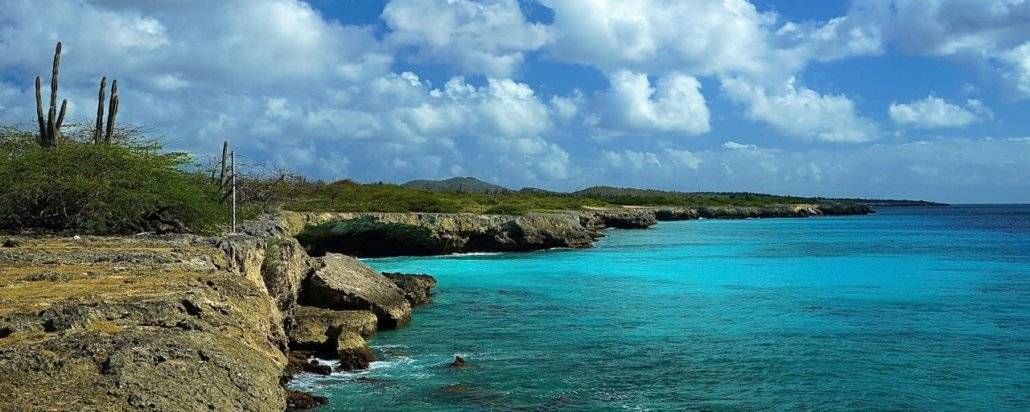
I recommend the tropics. Warm, clear water, and coconuts when you come up. Bonaire and Dominica are other perfect freedive spots in the Caribbean. Dahab in Egypt is the depth-training capital of Europe, and Kalamata in Greece is where I did my instructor course.
For comparing current course schedules in your dates and budget, DiveBookings is the only platform I've found that lists freediving properly alongside scuba and spearfishing. Code OCEANPRENEUR at checkout takes $50 off your booking :)
What's next?
I moved from the tropical waters of Bali to the slightly colder waters of the Strait of Gibraltar (Tarifa). The excitement about freediving doesn't change. I started practising and learning with local Andalusian freedive buddies from Apnea el Estrecho and Apnea Huelva. I figured out what gear to buy and went on to practice in tropical waters in winter. I joined an official freedive competition to experience what that's all about. What an experience! That's another story.
A world has opened up to me! The feeling of freedom which freediving gives is incredible. It's the most peaceful experience I have ever had. Thank you Nicole, for getting me into this!!!
Update: I've done my AIDA 3* and 4* in Bonaire, my freedive instructor course in Kalamata, Greece, and my first instructing back with Freedive Flow in Gili Air. Looooving it!
Would you be up for it?
Freedive resources
For the curious and other freedive newbies out there, here are some helpful tips & resources:
- AIDA is the International Association for the Development of Apnea. Here you can find all recognised freedive schools. AIDA regulates competitions and world records. I highly recommend taking a freedive beginner course to learn how to freedive safely.
- Blog of Annelie Pompe. She's a hardcore freediver. I love her philosophy and photography.
- Recommended reading: Manual of Freediving: Underwater on a Single Breath by Umberto Pelizzari, the technical bible. Through Bookshop.org, which supports independent bookshops instead of Amazon. For breathing exercises I highly recommend Breatheology by Stig Avall Severinsen.
- DeeperBlue: the freedive community platform.
- Freediving not for you? Get a glimpse of the underwater world through ReefCam, a live feed from the Caribbean!
- Become an Ocean Nomads member and join the sub-group on freediving where you can ask your questions and find your resources to step up the freedive skills.
Freediving FAQ
How long does it take to learn freediving?
The AIDA 2* beginner course is 3 days. By day three most people can hold their breath for 2+ minutes, swim 40 metres on a single breath, and dive 12 metres on a line. After that, you can keep diving recreationally with what you've got. Or go deeper. The choice is yours.
How deep can a beginner freedive?
AIDA 2* trains you to 12 metres on the line. Many students get to 15-20 by the end of the course. AIDA 3* takes you to 24 metres, AIDA 4* to 32. Slow and supervised is the only way.
Is freediving harder than scuba?
It's a different challenge. Scuba is heavier on equipment, slower-paced. Freediving demands more from your body and mind in shorter bursts. People who hate scuba's gear and bubbles often love freediving. Try both.
What should I know before a freediving course?
You need to swim 200 metres non-stop and 300 metres with snorkel gear. Be comfortable in deep water. No recent lung surgery, no cardiovascular issues. Come rested, hydrated, and don't eat a heavy meal before pool sessions.
Can I freedive alone?
No. Most important safety rule in the sport. Always with a buddy who has freedive rescue training. The risks (shallow water blackout especially) are manageable with a buddy and not without one.
How much does a beginner freedive course cost?
Roughly $300-$450 in Southeast Asia (Bali, Gili Air, Thailand), $350-$550 in the Caribbean and Mediterranean, $400-$600+ in Western Europe and North America. Most courses include gear rental and certification fee. Compare current options on DiveBookings with code OCEANPRENEUR for $50 off.
If you want behind-the-scenes from my training sessions and ocean reflections, that lives over on my Patreon. See you in the water.
Stay wild.
Disclaimer: opinions are mine and only mine. Some links are affiliate links: clicking through doesn't cost you anything extra, and it raises the adventure fund. Thank you!











I am inspired.. this sounds amazing!!! I am going to give it a go and then let you know how it goes. As a scuba enthusiast, this is very appealing. Lovely meeting you at TBEX.
http://www.livealifeoftravels.com
Hey Clare! Thanks and cool you’re up for it! I used to be a scuba enthusiast but now it’s all about freediving freediving and freediving :) Definitely let me know how it goes! Great meeting you!
“This is such an informative article for everyone who wishes to try free diving. I love it!
I tried freediving in Pemuteran with the Bali Diving Academy (https://scubali.com/) at the Temple Wall a few years back and it’s an experience I wanted to repeat ever since then, but I wasn’t sure about doing that alone. Special equipment and everything.
Anyway a great article and something to think about for sure! “